Back to ISTQB, This Time with AI
Preparing for and passing CT-GenAI certificate, and what I’d tell you before you book the exam
Disclaimer. My views and advices are biased. I already have 15 years of experience. I’ve already prepared for and passed a few Claude exams before. I’ve already read a few books on LLMs and AI Agents before passing the exam. But please, do not stop reading here! My guide is for everybody, even those with few years of experience.
I have a tradition. Every 13 years, I get my ISTQB certification… Well, I’m kidding, of course.
Last time, I got ISTQB Foundation Level in 2013. I had a few years of experience; I read an official syllabus and passed the exam.
At that time, I had already read some testing books and passed a few courses. I had my own practical experience in testing and test automation.
So when I read the syllabus and passed an exam, I got mostly … negative impressions. I was against ISTQB certification for a long time. Let me explain why.
Yes, the syllabus covered much basic information and got me a shared vocabulary. But it told me how it should be. In an ideal world. It was far from reality. It lacked information on Agile testing, on automation, and many other things I did on a daily basis.
I got a Foundation certificate, but I was not satisfied with the knowledge I got from it. I thought that it is a waste of time to get these certificates at all.
This year, after two Claude exams, I got an idea to get certified as a tester too. So I checked what the current state of ISTQB is. What can I say, I was impressed!
First of all, the amount of certifications has enormously grown for this decade.
Last time, there were only the foundation, three advanced levels, and one expert level. Now, there is a plethora of different certificates: from core ones to specialized ones.
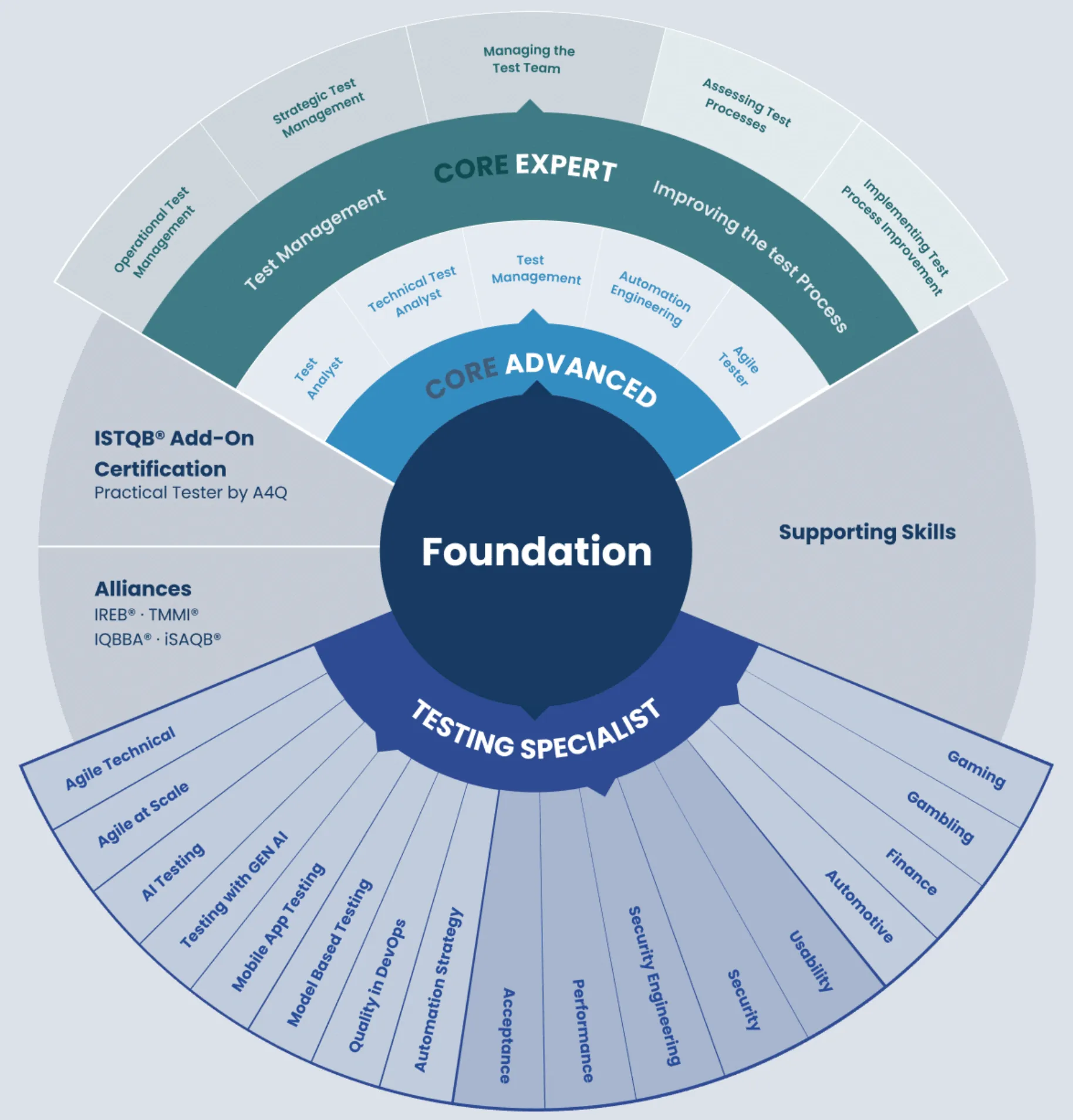
Note. I don’t want to get all the certificates. I can’t advise you to do so. But what I am planning to do is to look through the syllabi for certificates I am interested in. They contain much useful information, domain-oriented approaches to testing. Also, it may be worth checking the references in the documents to find articles, books, and research papers.
And the good news is that all those syllabus documents … are free! (Well, the free time to read isn’t free, unfortunately. So be careful with it :)).
As the AI topic is in the hype nowadays, let’s check what we have in terms of certificates. There are two certificates out there: “Certified Tester – Testing with Generative AI” and “Certified Tester AI Testing (CT-AI)”.
“Certified Tester – Testing with Generative AI” is about using AI and AI-based tools in software testing (in any domain).
“Certified Tester AI Testing (CT-AI)”, on the other hand, is about testing AI systems. You may say, “I am not creating ChatGPT or Claude! I don’t need that one!” And you will be wrong. It’s not only about testing large language models. It’s about testing systems that include LLMs and Agents. And more and more applications nowadays integrate AI components. So we need to know how to test such things.
It’s worth mentioning that to pass those exams, you need to have the ISTQB Foundation Level. It’s a prerequisite to enter the exam.
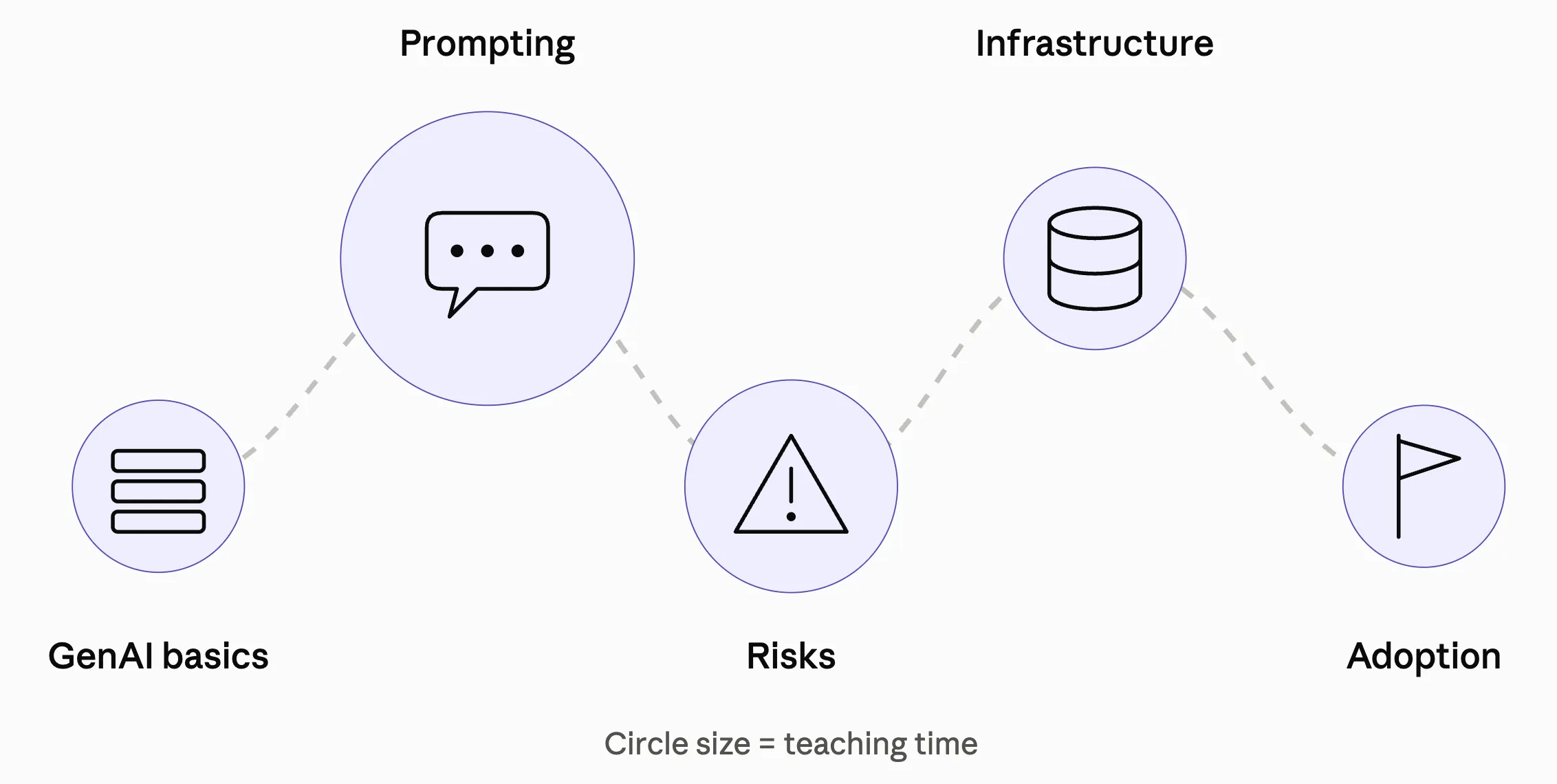
CT-GenAI syllabus contains 5 chapters:
- Introduction to GenAI for software testing
- Prompt engineering for effective testing
- Managing risks of GenAI in testing
- LLM-powered test infrastructure
- Deploying GenAI in test organizations
Speaking about materials in the syllabus:
- It is expected that you already know the general testing terminology for Foundation Level. More than that, the terminology should be from the latest editions of the certificate, so it is worth brushing up on the knowledge and reading the syllabus as well. I found it interesting to see how it was changed compared to my previous encounter 13 years ago.
- There are a lot of AI terms you need to remember and understand. A lot of the terms are interconnected (one is a part of another). But make sure that you understand those connections and their limits.
- AI technology is updating every day, so be aware that some of the data in the syllabus may be a little bit outdated. Learn the way how syllabus defines things, it mostly right.
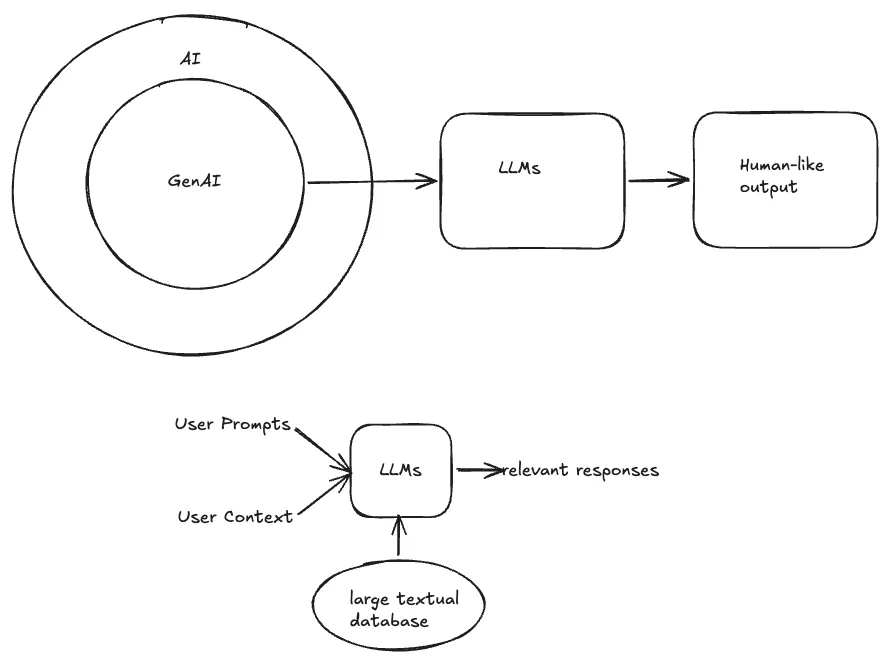
Read an official CT-GenAI syllabus. It’s ~50 pages long, but it is full of information. Do not skim it. I’ve read and visualized every concept. (Visualizations and diagrams help me to digest and retain information better.)
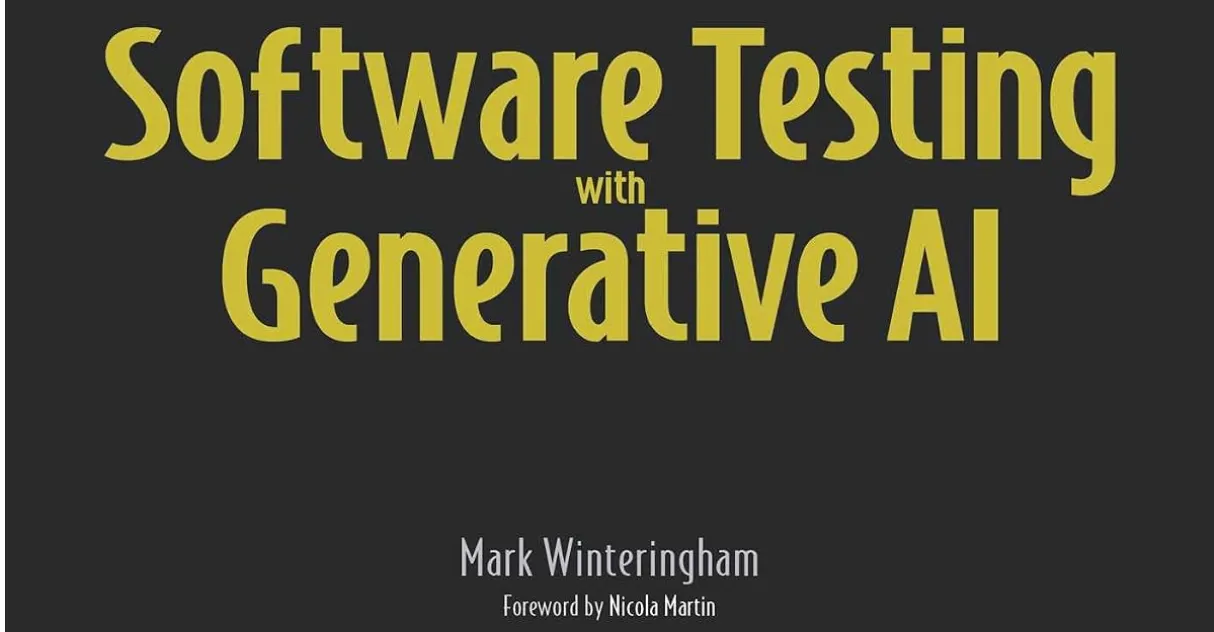
Optionally, you can also read the recommended “Software Testing with Generative AI” book by Mark Winteringham. The book provides more examples of using AI in testing. But be aware that terminology in the book and syllabus may differ. So, refer to the syllabus. By the way, you can check my review for this book here.
Pass an official mock exam. Turn on the timer (60 or 75 minutes) and just answer the questions. Check your answers with the correct ones. For each wrong answer, try to understand the reason and logic behind the correct answer.
To make learning better and more interactive, I recommend using the /teach skill from Matt Pocock. It can help you prepare a step-by-step learning roadmap with explanations of the concepts. The best thing here is that the skill also generates a lot of practice questions for self-review after each section.
Ideally, you can make an AI (Claude or ChatGPT) to ask you to explain concepts in your own words and then assess your knowledge. Ask it to provide analogies or examples. That’s the way to learn information more deeply.
Use AI to generate mock exams. Take as many mock exams as you can. I have not used any paid mock exams or anything. I practiced only with AI as a tutor and learning assistant. You can use AI to generate quizzes and flashcards to practice.
Find peers and learn together. It can also help you keep your motivation high and ask clarifying questions along the way.
When you purchase a voucher, add the “second try” option for an additional measure. Just in case. It can help you to be calm during the exam. Also, add an additional 15 minutes to the exam if you are not a native English speaker.
Read the instructions carefully on how to prepare your system and room for the online exam. It takes time to prepare, so do it before the exam.
On the exam, you need to answer 40 questions during 60 minutes. At most, you can get 46 points. My approach is to go through all 40 questions till the end and then do another pass to recheck before clicking the “Submit” button.
If you are already using LLMs, skills, MCPs, AI Agents, workflows, or orchestrating multi-agent systems for testing, you will not find any new practical information in the syllabus.
If you are new to the AI world and you wanna get a first overview of how to use AI for testing, CT-GenAI may provide you with some ideas. But:
- Do not expect a step-by-step guide on how to use AI in the processes.
- The syllabus is text-only - you will need to find or draw concepts and diagrams on your own.
- For a beginner, it may be a bit hard to grasp what a tokenizer, embeddings, RAG, or an agent is in a nutshell. (There are a lot of different books that can help. I will talk about them in the following posts.
If you have this certificate as a prerequisite to get a job or to stay in your job, you will need to get it for sure. Some companies may need to have certified people in their teams.
Personally, I passed exam “Certified Tester – Testing with Generative AI” certificate. And I have plans to get second AI certificate in AI too. Mostly, because I am interested in the topic.